The road from Niseko curves south through farmland, and most rental cars keep going — past the turnoff for Kyogoku, past the small sign half-hidden by trees. It’s easy to miss. Most people do.
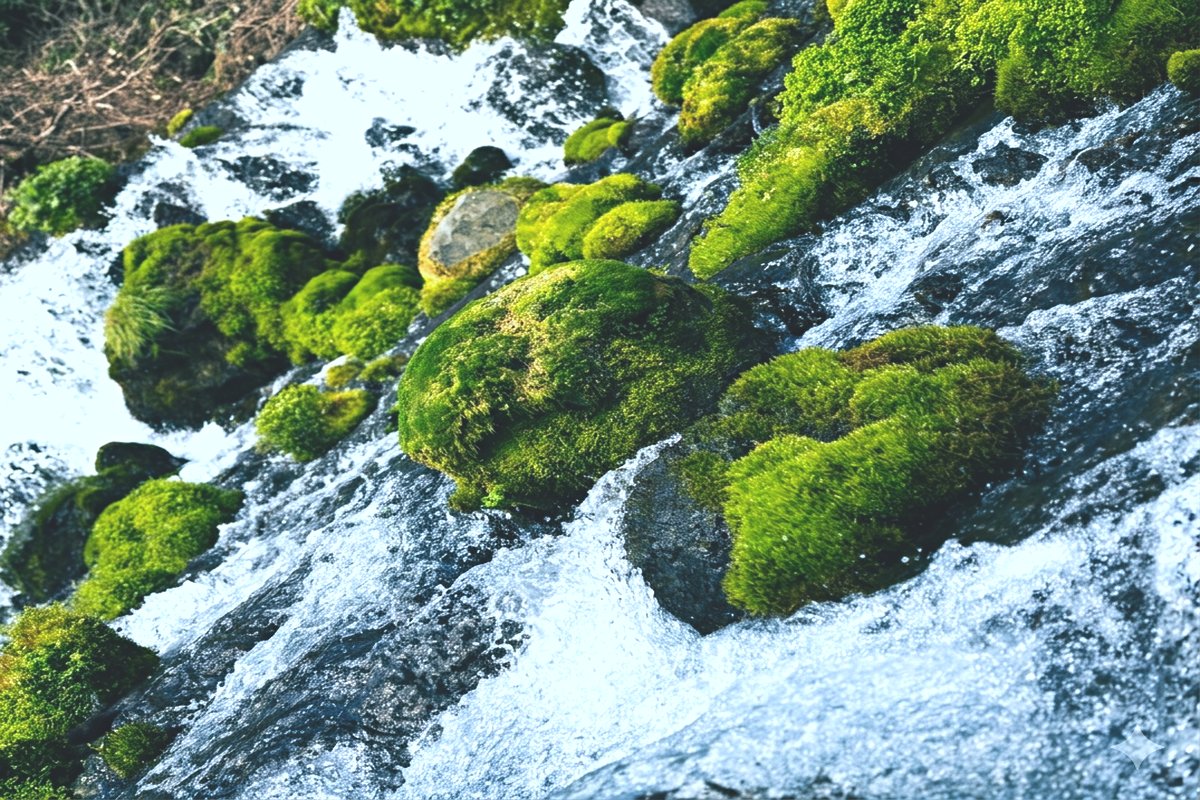
But if you stop here, at the foot of Mt. Yotei, you’ll find something that doesn’t appear in any resort brochure: a spring so powerful it looks like the mountain is breathing out. The Japanese call it fukidashi — a gushing, a bursting forth. The name is accurate. Stand at the main outlet and you can feel the cold air rising off the water from several metres away.
This is Fukidashi Park in Kyogoku Town. No entrance fee. No tour group. Just a cedar forest, a stream that runs ice-cold in August, and water that has been filtering through volcanic rock for several decades before surfacing here.
What Makes This Spring Different
Japan has no shortage of scenic parks. What makes Fukidashi stand apart is the water itself — its origin, its volume, and the fact that you can drink it straight from the source.
Mt. Yotei — the volcano locals call Ezo Fuji for its near-perfect cone — catches enormous amounts of snow each winter. That snowmelt seeps into lava and volcanic ash layers, filtering slowly downward through porous rock for an estimated 40 to 50 years. What emerges at Kyogoku has been designated by Japan’s Ministry of the Environment as one of the country’s 100 finest water sources (Meisui Hyakusen). The designation is not given lightly.
The spring discharges roughly 80,000 tonnes of water per day. Temperature stays at 6.5°C year-round — cold enough in midsummer to feel almost shocking when you cup it in your hands. Locals drive here regularly with 20-litre containers to fill up. Watch the car park on a weekday morning and you’ll see the same faces returning week after week.
What to Do at Fukidashi Park
Drink the water. This sounds obvious, but it’s worth saying plainly: the water here tastes different. Clean, very slightly mineral, with no chemical aftertaste. Most visitors bring bottles. Some bring large containers. There are taps set up for public use near the main spring outlet — fill as much as you like, free of charge.
Walk the stream path. A short trail follows the spring-fed stream through a stand of cedar. The water is so clear you can see individual stones on the bottom three metres down. In summer, the cold air over the stream creates a microclimate noticeably cooler than the surrounding forest — bring a layer if you’re visiting in August.
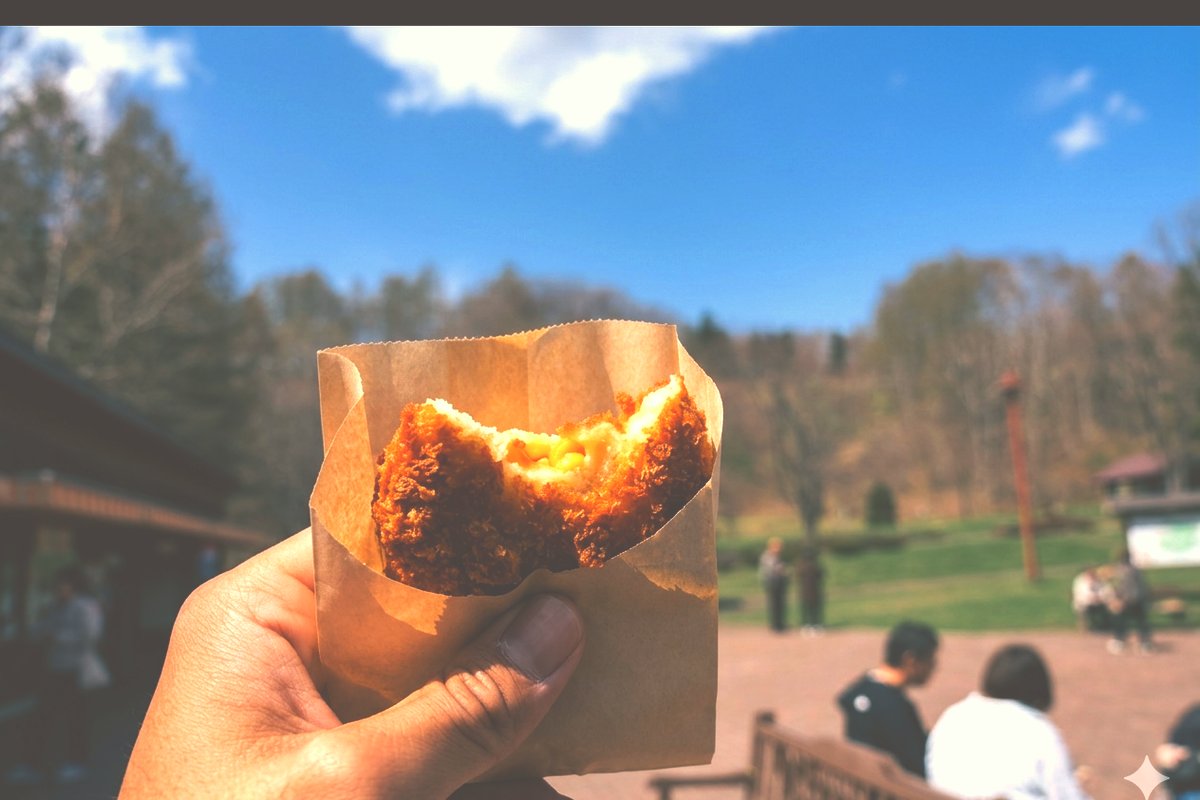
Eat the corn korokke. Small food stalls near the park entrance sell corn korokke (croquettes) made with local Hokkaido sweet corn, usually for around ¥200 each. They’re worth stopping for. The Michi-no-Eki Kyogoku roadside station adjacent to the park also serves coffee made with the spring water — a small detail, but noticeable once you’ve tasted the water itself.
Visit Kyogoku Onsen. Five minutes’ walk from the park entrance is a small public bath (sento) fed by local hot spring water. Entry is ¥600 for adults; towel rental is available. It’s a local facility — no English menus, no tourist amenities — which is precisely why it’s worth going. Come here after the park, when the cold of the spring water makes the contrast of the hot bath feel exactly right.
When to Go
Fukidashi Park is open year-round, but the experience changes significantly by season.
June to October is the most comfortable window. The forest is green, the contrast between air temperature and spring water is most dramatic, and the corn korokke stalls are open. Weekday mornings before 10am are the least crowded — this is when the locals come to fill their containers, and the park has a quiet, unhurried quality that disappears by midday on weekends in July and August.
Winter (November to April) is quieter still, but the road conditions around Kyogoku require winter tyres, and some facilities close seasonally. The spring itself never freezes — the constant water temperature prevents it — which creates a strange beauty: steam rising from the cold water against snow-covered cedars. If you’re in Hokkaido in winter with a car, it’s worth the detour.
Getting There
By car is the easiest option. Fukidashi Park is approximately 40 minutes south of Niseko and 90 minutes southwest of Sapporo via Route 230. Parking is free and usually ample on weekdays.
Without a car: Take the JR line to Kutchan Station (新千歳空港から約1時間40分, or 40 minutes from Niseko by local train), then the Donan Bus toward Kyogoku Bus Terminal — approximately 30 minutes. From the bus terminal, the park is an 18-minute walk. Buses are infrequent; check the Donan Bus timetable before you go and plan around the return time. The last bus back to Kutchan in the evening is early.
If you’re combining Fukidashi with a visit to Makkari Village, both can be done in a single day by car — Makkari is 15 minutes further south on Route 230.
Where to Stay
Kyogoku Town itself has limited accommodation. Most visitors base themselves in Niseko (40 minutes north) or treat Fukidashi as a day trip from Sapporo. If you’re up that way, Niseko Goshiki Onsen is worth the detour — a milky sulfur bath on the mountain’s shoulder, running on the same quiet, unmanaged logic as this spring.
If you want to stay close, Makkari Village — 15 minutes south — has a small number of guesthouses and a public onsen (Makkari Onsen) that is less visited than the Niseko facilities. Staying in Makkari and driving to Fukidashi in the morning is a particularly good combination for anyone who prefers to avoid the resort crowds entirely.
Quick Facts
| Location | Kyogoku Town, Hokkaido (虻田郡京極町川西45) |
| Entry | Free. Parking free. |
| Spring water | Free to collect. Bring your own bottles. |
| Water temperature | 6.5°C year-round |
| Daily flow | ~80,000 tonnes |
| Designation | Japan’s 100 Finest Waters (Ministry of Environment) |
| Corn korokke | ~¥200 at park entrance stalls (seasonal) |
| Kyogoku Onsen | ¥600 adults / 5 min walk from park |
| Best season | June – October. Weekday mornings before 10am for fewest crowds. |
| From Niseko | ~40 min by car |
| From Sapporo | ~90 min by car |
| By bus (no car) | Kutchan Station → Kyogoku Bus Terminal (Donan Bus, ~30 min) + 18 min walk. Check timetable — buses are infrequent. |
They’re usually wrong about places like this. The spring at Fukidashi Park is one of those spots that doesn’t photograph the way it feels — the cold air, the sound of the water, the small shock of drinking something that tastes genuinely different from anything that comes out of a tap. Come once and you’ll understand why locals fill 20-litre containers and drive back every few weeks.
Pingback: Mount Yotei: The Mountain With Five Different Faces — Hokkaido - Quiet Japan Travel
Pingback: Sugaru Hot Spring: The Onsen You Have to Build Yourself — Kochi, Shikoku - Quiet Japan Travel
Pingback: Makkari Village: Where Mount Yotei's Water Becomes Tofu, Lilies, and a Quiet Night's Stay — Hokkaido - Quiet Japan Travel